Global News that you can trust, and where fredom of speech has no limits!

Top Exotic Cat Choices for Unique Companionship
ANIMALS
Glenn Spillman
1/28/20268 min read
Introduction to Exotic Cats
Exotic cats, often regarded as a unique blend of wild aesthetics and domestic charm, have increasingly gained popularity among pet enthusiasts. Unlike standard house cats, which belong to well-known domestic breeds, exotic cats typically refer to hybrids or breeds that retain characteristics of their wild ancestors. The primary distinction between domestic and exotic cats lies in their lineage, physical features, and temperament.
Domestic cats, such as the popular Persian or Siamese, have been selectively bred over generations to emphasize certain traits conducive to companionship, including docility and sociability. In contrast, many exotic breeds, including hybrids like the Bengal or Savannah, possess notable physical traits reminiscent of their wild counterparts, such as striking patterns and robust builds. These breeds often exhibit heightened energy levels and playful behavior, appealing to individuals seeking a more interactive pet experience.
People are drawn to exotic cats for various reasons. The allure of possessing a unique animal that deviates from the conventional is enticing for many. Exotic breeds are often associated with exoticism and rarity, and their distinctive appearance—such as the striking coat of a Bengal or the tall, elegant stature of a Savannah—adds an aesthetic value that traditional breeds may lack. Additionally, potential pet owners may be attracted to the challenge of caring for a pet that requires a more engaged and stimulating environment, reflecting their lifestyle and interests.
Furthermore, the allure of exotic cats lies not only in their physical traits but also in their contrasting temperaments when compared to standard house cats. These unique felines can display a range of behaviors from playful and curious to sometimes independent and assertive. Understanding these differences is crucial for anyone considering adding an exotic cat to their family, as they often require specialized care.
Bengal Cat: The Wild Look with a Gentle Heart
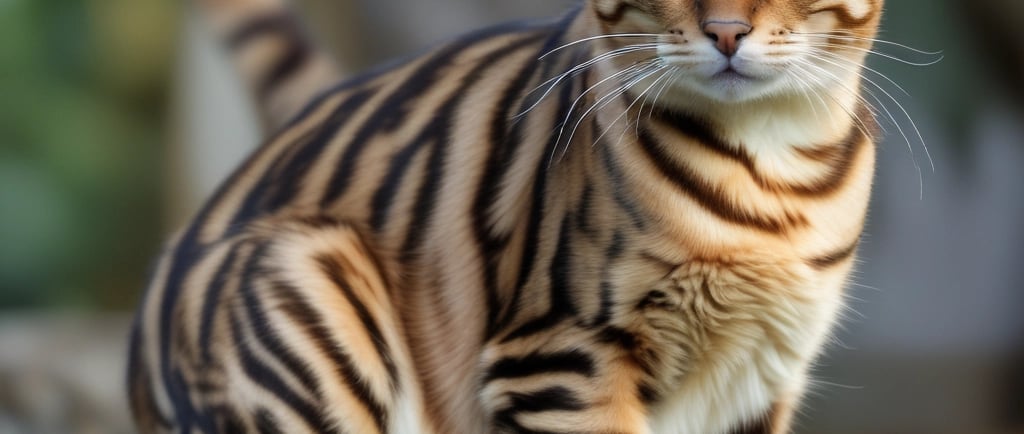
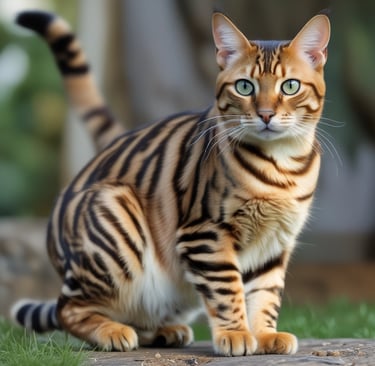
The Bengal cat is a captivating breed known for its striking appearance, reminiscent of wild leopards. With a unique spotted or marbled coat that often features a blend of golden and brown hues, Bengals stand out in any household. This exotic look is enhanced by their muscular build and captivating, almond-shaped eyes, which contribute to their allure as both pets and companions.
Beyond their stunning exterior, Bengal cats possess a playful and energetic personality. These cats are known for their inquisitive nature and love to engage in activities that stimulate both mind and body. They thrive on interaction and may often require more attention compared to typical domestic cats. Their high intelligence is reflected in their ability to learn tricks, solve puzzles, and even play fetch. As such, Bengals are well-suited for families and individuals who can devote time to their entertainment and engagement.
It is important to note that Bengal cats have specific special care requirements that potential owners must consider. Regular playtime and environmental enrichment are essential to keep them happy and prevent boredom. Additionally, these cats may display certain behavioral traits, such as a fondness for climbing and a tendency to be vocal. Providing them with perches and opportunities to explore their surroundings can greatly enhance their well-being. Overall, while Bengal cats offer a unique and visually stunning companionship, they require commitment and understanding from their owners to flourish as cherished pets.
Savannah Cat: A Touch of the Wild
The Savannah cat, a remarkable hybrid breed resulting from the crossing of a domestic cat and a serval, is known for its striking appearance, which features long legs, large ears, and a wild aesthetic that captivates many. This unique feline displays a distinct pattern resembling their serval lineage, with spotty coats that come in various shades, making them not only a pet but also a symbol of exotic beauty. Beyond their looks, Savannah cats are characterized by their high energy levels and playful nature. They thrive in environments that offer ample space to explore and engage in vigorous activities. As active creatures, they often enjoy interactive play and are known to partake in games that stimulate their intelligence.
Socially inclined, Savannah cats require regular interaction with their owners and can develop strong bonds with both humans and other pets. Their sociable demeanor makes them a delightful companion, but it also means they may experience separation anxiety if left alone for extended periods. This breed is particularly known for its unique vocalizations, which can vary from purring to a sound akin to chirping, reflecting their wild heritage. Potential owners should be prepared for a dynamic pet that seeks engagement, requiring routine playtime and socialization to remain happy and healthy.
However, prospective owners should consider various important factors before welcoming a Savannah cat into their home. Training can present challenges due to their high intelligence and strong will, necessitating a consistent and positive approach. It is essential to provide early socialization and obedience training to foster a well-rounded pet. Additionally, legal restrictions may apply depending on the locality, as hybrid cats may be regulated in some cities or states. Before making a decision, it is advisable to research local laws and ensure compliance is met to avoid potential legal issues.
Sphynx Cat: The Hairless Wonder
The Sphynx cat, recognized for its unique appearance characterized by a lack of fur, is becoming an increasingly popular choice among pet enthusiasts seeking a distinct companion. Despite their hairlessness, these cats possess a striking skin texture, which can vary from being soft and warm to resembling that of a peach. Their unconventional appearance often sparks intrigue and fascination, making them a subject of interest in the feline world.
Beyond their physical attributes, Sphynx cats are known for their affectionate and sociable personalities. They are often described as "dog-like" due to their tendency to seek human companionship and display loyalty to their owners. This breed thrives on interaction, making them a suitable option for families and individuals who prefer an engaging pet. Furthermore, their playful nature ensures that they are not only loving but also entertaining companions.
However, myths surround the ownership of a hairless cat, particularly concerning their maintenance. Contrary to popular belief, Sphynx cats do require specific care, primarily related to their skin. Due to their lack of fur, they are susceptible to oil buildup, necessitating regular bathing to maintain skin health. Moreover, their exposed skin makes them sensitive to extreme temperatures; therefore, safeguarding them from cold environments is essential. Potential Sphynx cat owners should also be aware of their increased need for warmth and comfort, often preferring the coziness of heated blankets and sunlit spots.
In conclusion, the Sphynx cat stands out not only for its distinctive appearance but also for its affectionate demeanor and distinct care needs. Understanding these factors is crucial for those considering adding this remarkable breed to their household, ensuring a fulfilling relationship between the owner and the cat.
Maine Coon: The Gentle Giant
The Maine Coon is renowned as one of the largest domesticated cat breeds, often captivating prospective pet owners with its impressive size and charming demeanor. Typically weighing between 10 to 25 pounds, this breed exhibits a muscular build and robust frame, making it a true gentle giant among felines. Their striking physical appearance is complemented by tufted ears, bushy tails, and a luxurious, water-repellent coat that not only enhances their beauty but also provides protection against harsh weather conditions.
In addition to their impressive size and unique appearance, Maine Coons are celebrated for their friendly and sociable nature. They are known to form strong bonds with their human companions, displaying a playful attitude and affectionate behavior. This breed thrives in family settings, where they interact well with children and other pets. Their adaptability to various environments makes them suitable for both spacious homes and smaller apartments, provided they receive adequate playtime and exercise.
Grooming requirements for Maine Coons are moderate, necessitating regular brushing, especially during seasonal shedding periods. Their long fur can become matted if not properly maintained, thus routine grooming is essential for both the health and appearance of the coat. Health considerations should also be kept in mind, as this breed is prone to specific genetic conditions, including hypertrophic cardiomyopathy (HCM) and hip dysplasia. Regular veterinary check-ups, along with a balanced diet, can significantly mitigate health risks.
Overall, the Maine Coon stands out not only for its majestic size but also for its gentle and friendly disposition. For those seeking a unique and affectionate companion, the Maine Coon offers a blend of charm, sociability, and companionship that is hard to match in the realm of exotic cats.
Scottish Fold: The Adorable Folded Ears
The Scottish Fold is a truly remarkable breed, instantly recognizable for its unique ear structure that folds forward and downward, giving them an endearing appearance reminiscent of a plush toy. This distinctive feature is the result of a genetic mutation that affects the cartilage in their ears, imparting a soft and rounded look. Beyond their physical traits, Scottish Folds are renowned for their delightful personalities, making them a superb choice for companionship.
Renowned for their playful and affectionate nature, Scottish Folds thrive on human interaction and tend to form deep bonds with their owners. These cats exhibit a special fondness for engaging in interactive play, often chasing after toys, especially those that mimic the behavior of their natural prey. Furthermore, they are generally sociable and adapt well to family life, coexisting harmoniously with children and other pets.
However, potential owners should be aware of specific health concerns associated with the breed, particularly those that stem from their unique genetic background. The same mutation that leads to the characteristic ear fold may put them at a higher risk for certain health issues such as osteochondrodysplasia, a condition that affects cartilage formation. Responsible breeding practices are essential in minimizing health complications, so it is vital to adopt from a reputable breeder who tests their breeding cats for genetic conditions.
When it comes to socializing and caring for your Scottish Fold, early interaction is key. Exposing them to various environments and experiences will foster a well-rounded temperament. Regular playtime not only provides physical exercise but also enhances their mental stimulation. In addition to play, ensure you maintain a proper diet and regular veterinary check-ups to keep your feline friend healthy and happy.
Peterbald: The Unique Hairless Breed
The Peterbald cat is a distinctive and elegant breed, recognized for its hairless appearance and affectionate nature. Originating in Russia in the late 20th century, the breed was developed by crossing the Oriental Shorthair with a hairless cat known as the Don Sphynx. The result is a breed that not only lacks a conventional coat but also embodies a blend of grace and charm that is hard to resist.
In terms of personality, Peterbalds are known for their playful and social demeanor. They thrive on human interaction, often forming strong bonds with their owners. This breed is quite affectionate, often seeking attention and companionship, making them ideal for families or individuals who can dedicate time to engage with them. Despite their hairlessness, their skin requires attention; it is important to note that sunlight sensitivity may be a concern, so providing shade and avoiding prolonged exposure is essential.
When it comes to care, Peterbald cats are relatively low-maintenance compared to other breeds, largely due to their lack of fur. Regular baths are recommended to remove excess oil that can build on their skin, which occurs in the absence of fur to absorb it. Additionally, routine ear cleaning is necessary, as their ears can accumulate wax more readily.
To integrate a Peterbald into a home setting, it's essential to provide enrichment and a warm environment. Interactive toys and opportunities for play will satisfy their curiosity and need for activity. Ultimately, the Peterbald is a unique choice for pet owners seeking a loving, gentle companion and are well suited for those willing to invest in their care and well-being.
Conclusion: Making the Right Choice for Your Home
Choosing the right exotic cat for your home involves careful consideration of several factors related to the unique characteristics and requirements of each breed. Exotic cats, such as Bengal, Savannah, and Sphynx, bring distinct traits and personalities that differ significantly from traditional domestic cats. Understanding these nuances is essential not only for your satisfaction but also for the well-being of the cat itself. Each breed may have specific social, dietary, and exercise needs that should align with your lifestyle.
Moreover, the environment in which you live plays a crucial role in selecting the right exotic companion. For instance, active breeds like the Bengal require ample space to explore and play, whereas the more laid-back Sphynx may adapt well to smaller living accommodations. It is vital to evaluate your daily routine, activity levels, and available space before deciding on an exotic breed. An informed choice will enhance the enrichment and care you provide, ultimately leading to a more harmonious relationship.
Furthermore, adopting an exotic cat can be incredibly rewarding, as these animals often have unique personalities and intelligence that can create a strong bond with their owners. The joy of having a distinctive feline companion stems from not just their appearance, but also their engagement and interaction. By selecting the right breed for your home and personal circumstances, you can cultivate a fulfilling companionship that enriches both your life and that of your exotic cat.
Connect
Stay in touch with Ravens Nest Media Group
Call
contact@ravensnestmediagroup.com
916-420-0697
© 2025. All rights reserved.