Global News that you can trust, and where fredom of speech has no limits!

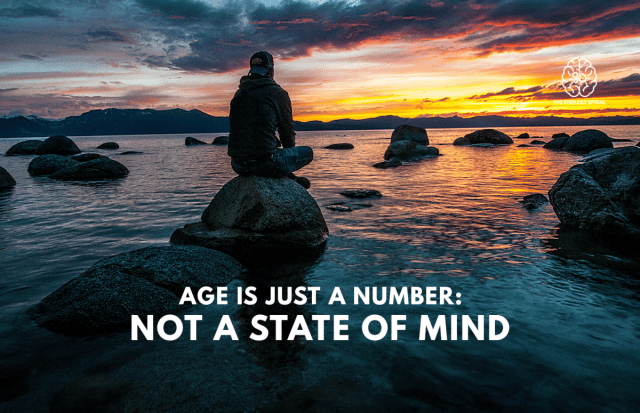
Age is Just a Number: Embracing Life Beyond the Years
LIFE EXPERIENCES
Glenn Spillman
2/2/20268 min read
The Concept of Age: A Social Construct
Age, while often viewed as a biological reality, is predominantly a social construct that shapes our perceptions and interactions with one another. Different cultures interpret age through varied lenses, leading to diverse understandings of what it means to grow older. In many societies, age is associated with a predetermined set of responsibilities, behaviors, and expectations, which can impose limits on an individual's capabilities and social value.
In Western cultures, particularly, there is a prevailing notion that age determines one’s ability to contribute to society. For instance, youth is often praised for energy and innovation, while older individuals may be mistakenly perceived as less capable or relevant. Conversely, in several Eastern cultures, age holds substantial respect, with wisdom being associated with maturity and experience. Here, older individuals are often revered and viewed as valuable sources of guidance, demonstrating that age can be linked to honor rather than mere chronological milestones.
This cultural variability in perceptions of age highlights the importance of understanding age not merely as a number but as a dynamic factor influenced by societal norms and values. The consequences of these culturally ingrained beliefs are significant; they can dictate social interactions, employment practices, and even healthcare provisions based on perceived age-related capabilities.
Additionally, as societies evolve, the definitions and implications of age continue to transform. The advent of modern technology and longer life expectancy has led to new dynamics in how generational groups interact and collaborate. This shift encourages a broader perspective, prompting individuals to redefine age and aging beyond traditional confines, fostering an inclusive environment where age diversity is celebrated.
The Myth of Decline: Challenging Age Stereotypes
The common narrative surrounding aging often perpetuates the notion of inevitable decline in both physical and mental faculties. Many individuals assume that as one grows older, they will naturally become frail, forgetful, and less capable. However, this stereotype is not only outdated but also entirely misleading. In reality, numerous studies have shown that many older adults continue to thrive, actively contributing to society and showcasing remarkable capabilities well into their later years.
Consider the example of Jane Goodall, the renowned primatologist who continues to work passionately on wildlife conservation and environmental issues well into her eighties. Her commitment and energy serve as a powerful reminder that age does not define our potential or our impact. Similarly, the late John Glenn returned to space at the age of 77, representing an extraordinary example of physical capability and mental acuity that contradicts stereotypes associated with aging.
These examples underscore the growing body of evidence suggesting that individuals can maintain and even enhance their physical abilities and cognitive functions as they age. Regular exercise, social engagement, and lifelong learning contribute significantly to the well-being and vitality of older adults. Furthermore, many recent advancements in healthcare, nutrition, and psychological research have illuminated the ways in which older adults can harness their experiences and wisdom, rather than being restricted by the fear of decline.
Challenging these stereotypes encourages a re-evaluation of how we perceive aging. By highlighting the achievements of older individuals and recognizing their contributions, society can shift towards a more inclusive and respectful understanding of aging. Ultimately, embracing life beyond years allows for a celebration of growth, resilience, and the ability to redefine what it means to live fully at any age.
Redefining What It Means to Grow Older
Aging is often associated with negative connotations, yet it presents numerous opportunities for personal growth and enrichment. One of the most significant advantages of growing older is the accumulation of wisdom. With age comes experience, and with experience comes a deeper understanding of life and its complexities. This wisdom allows individuals to navigate challenges with greater resilience and perspective, turning obstacles into valuable lessons.
Furthermore, as individuals mature, they often develop a heightened sense of emotional intelligence. This emotional growth enables better management of interpersonal relationships and an increased empathy toward others. Such qualities enhance social interactions and foster deeper connections with family, friends, and even new acquaintances. Emotional intelligence is pivotal; it not only improves one’s own well-being but also contributes positively to the lives of those around them.
Moreover, embracing the aging process can lead to a reinvigoration of passions and explorations that may have been postponed earlier in life. Many people discover new hobbies, engage in volunteer work, or pursue educational endeavors later in life, proving that the spirit of curiosity does not diminish with age. This pursuit of new interests can significantly contribute to personal satisfaction and happiness.
In this context, aging should not be viewed as a decline but rather as a transformative journey that enriches life. The harnessing of wisdom, emotional intelligence, and a zest for new experiences creates a powerful trifecta that can lead to greater fulfillment and joy in later years. By redefining our understanding of growing older, society can begin to appreciate the invaluable contributions older individuals make to various aspects of life.
The Impact of Age Discrimination in Society
Age discrimination, often referred to as ageism, is a prevalent issue that exists in various sectors of society, particularly within the workplace. It manifests in different forms, including hiring biases, promotion inequalities, and even social ostracism, ultimately affecting older individuals' opportunities and overall quality of life. Studies indicate that many older workers face significant barriers when seeking employment, frequently being overlooked in favor of younger candidates, despite possessing valuable experience and qualifications.
Statistics reveal alarming trends related to age discrimination in professional settings. According to the AARP, nearly two-thirds of workers aged 45 and older have witnessed or experienced age discrimination in the workplace. Furthermore, older job seekers typically take longer to find employment compared to their younger counterparts. In fact, a report published by the U.S. Equal Employment Opportunity Commission (EEOC) highlighted an increase in age discrimination claims, indicating a growing acknowledgment of the issue among older employees.
Moreover, the negative implications of age discrimination extend beyond employment opportunities. Older individuals who experience ageism may encounter lower career advancement opportunities and receive fewer training and development programs aimed at skill enhancement. This not only hinders their career progression but may also lead to feelings of disenchantment and decreased motivation. Additionally, organizations that fail to embrace age diversity may inadvertently limit their overall success, as research shows that a workforce inclusive of various age groups can drive innovation and improve problem-solving capabilities.
In light of these dynamics, it becomes crucial to address age discrimination through policies and training programs that promote awareness and foster a culture of inclusion. Encouraging intergenerational collaboration and valuing the contributions of older employees can lead to more equitable and effective workplaces.
Living Your Best Life: Age-Defying Mindset
A proactive and positive mindset plays a pivotal role in redefining how we perceive aging. It is essential for individuals to embrace the concept that age is merely a number, not a limitation. Adopting an age-defying mindset opens doors to a plethora of new experiences and opportunities that can enhance both well-being and personal fulfillment. One of the primary ways to cultivate this mindset is through self-care. Taking the time to prioritize one’s physical and mental health can significantly impact overall happiness. This encompasses regular health check-ups, nutritious eating, and engaging in mental wellness activities such as mindfulness or meditation.
Staying active is another cornerstone of an age-defying mindset. Regular physical activity not only improves physical health but also boosts mood and cognitive function. Whether it is through structured exercise, dancing, walking, or even gardening, maintaining an active lifestyle can help in combating the negative stereotypes often associated with growing older. Additionally, setting new fitness goals or exploring interests like yoga or martial arts can promote a sense of achievement and motivation.
Moreover, embracing new experiences should be a priority regardless of age. Trying new hobbies, traveling, or pursuing further education can invigorate one’s outlook on life. Lifelong learning fosters mental agility and readiness to adapt to change, which is crucial as one ages. By engaging in activities that challenge and excite, individuals can nurture a sense of curiosity and adventure that often diminishes with time. In conclusion, cultivating a proactive and positive mindset about aging involves a commitment to self-care, active living, and embracing new experiences. By focusing on personal empowerment, individuals can truly live their best lives, demonstrating that age truly is just a number.
Fashion, Style, and Age: Breaking the Mold
The relationship between fashion and age has long been dictated by societal norms, often leading to a restrictive viewpoint on how individuals should present themselves as they grow older. Traditionally, these norms suggest that with age comes a decrease in the appropriateness of certain styles, pushing many individuals into a wardrobe that may not reflect their true selves. However, this perspective is increasingly being challenged, as more people recognize that fashion is not confined by age but is instead a vibrant form of self-expression.
In recent years, a notable shift has occurred, with various influencers and public figures redefining what it means to dress stylishly at any age. This cultural shift encourages individuals to step away from the concept of age as a limiting factor in their fashion choices. It highlights that wearing what one loves—be it bold colors, avant-garde designs, or timeless styles—can speak volumes about personal identity, regardless of the years one has accumulated. For instance, mature fashion icons often grace the covers of major fashion magazines, showcasing that flair and elegance are not solely products of youth.
Moreover, embracing individuality in fashion contributes to a greater movement that celebrates diversity and authenticity in style. Older adults are increasingly seen donning trendy outfits that defy stereotypes, proving that confidence, creativity, and passion for fashion can transcend the constraints typically imposed by age. Whether it is a vibrant patterned dress, contemporary athleisure, or classic denim, personal style is a canvas, and each age group has the right to express themselves freely through it, without judgment or reservation.
In conclusion, fashion should be viewed as an immersive and enjoyable journey rather than a stringent set of rules dictated by age. By breaking free from established norms, individuals can cultivate their unique style—one that speaks to their personality, experiences, and passions—transforming age into just one aspect of their vibrant fashion narrative.
Embracing Life at Every Age: Real Stories
Life is a remarkable journey that often defies conventional notions of age. Stories of individuals who pursue their passions regardless of their years on this planet serve as powerful reminders that age is merely a number. These narratives inspire countless others, demonstrating that vibrant living can be embraced at any stage of life.
Take, for example, the inspiring journey of Nora, a retired schoolteacher who began painting in her early sixties. What started as a hobby transformed into a thriving career at the age of seventy. Nora's artwork has been exhibited in local galleries, showcasing her talent and proving that age should not deter one from pursuing dreams. Her experience underscores the idea that lifelong learning and creativity can flourish when one embraces life wholeheartedly.
Similarly, we have the story of Clarence, who at age seventy-five decided to take up running. Initially, he struggled with the physical demands, but his determination never wavered. With the support of a local community, Clarence trained diligently and eventually completed his first marathon at the age of eighty. His story illuminates the importance of perseverance and physical activity in maintaining a fulfilled life, irrespective of age.
Another notable example is Emma, who at sixty started a non-profit organization dedicated to environmental conservation. With her immense passion and dedication, she has led numerous initiatives, rallying individuals of all ages to join the cause. Emma's contributions have made a substantial impact in her community, reinforcing the notion that age should not inhibit one’s ability to lead and influence positively.
These stories, amongst many others, highlight that the spirit of ambition and the desire for personal fulfillment can ignite at any age. Individuals from various backgrounds continue to change their lives and those around them, emphasizing that it is never too late to chase after dreams and make a difference.
Connect
Stay in touch with Ravens Nest Media Group
Call
contact@ravensnestmediagroup.com
916-420-0697
© 2025. All rights reserved.