Global News that you can trust, and where fredom of speech has no limits!

The Fascinating History of Beer: From Ancient Beginnings to Modern Brews
BEVERAGES
Glenn Spillman
1/10/20268 min read
A Brief Overview of Beer
Beer, one of the oldest alcoholic beverages known to humanity, has a rich history that dates back thousands of years. Archaeological evidence suggests that Beer production may have begun as early as 7,000 BCE in ancient Mesopotamia, where early civilizations fermented grains to create this staple drink. Its remarkable longevity and universal appeal place beer among humanity's earliest contributions to culture and society.
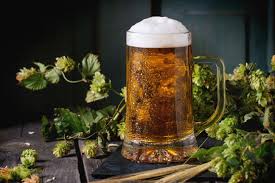
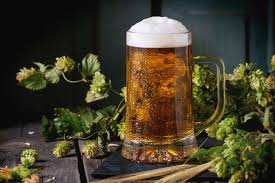
The basic ingredients of beer include water, malted grains, hops, and yeast. Each of these components plays a crucial role in the brewing process, influencing everything from flavor to aroma. Water constitutes the largest part of beer's composition and can affect the taste depending on its mineral content. Malted grains, typically barley or wheat, provide the sugars necessary for fermentation and contribute varying flavors and colors based on how they are processed. Hops, the flowers of the hop plant, add bitterness to balance the sweetness of the malt while also acting as a natural preservative. Finally, yeast is essential for fermenting the sugars, turning them into alcohol and carbon dioxide.
As a result of diverse brewing methods and ingredient combinations, there exists a myriad of beer styles today, each with distinct characteristics. Some of the most well-known include lagers, ales, stouts, and IPAs (India Pale Ales). The flavor profiles can range from light and refreshing to dark and robust, reflecting regional influences and brewing traditions that have evolved over centuries. This diversity serves as a testament to beer's adaptability and enduring popularity as a beverage of choice around the globe.
The Ancient Origins of Beer
The history of beer is rich and complex, with evidence of its production dating back to ancient Mesopotamia, around 7,000 years ago. The Sumerians, in particular, are often credited with some of the earliest records of beer brewing. Archaeological findings suggest that the Sumerians had developed a recipe for beer which included a combination of barley, water, and yeast, marking their contribution as foundational in the evolution of this beloved beverage.
Ancient texts from this era tell us that beer was not merely a drink but a vital part of Sumerian culture, used in both religious rituals and as an everyday staple. The Sumerian poem, "The Epic of Gilgamesh," makes notable references to beer, illustrating its significant role in society. Additionally, the Code of Hammurabi, one of the oldest deciphered writings, includes laws regarding the sale of beer, indicating its commercial importance and widespread consumption.
Beyond Sumer, other ancient civilizations also contributed to the development of beer. The Egyptians, for example, brewed their own versions, creating a beverage known as "zythum." This alternative had different ingredients and brewing methods and was generally consumed by people across various societal classes. In China, archaeological evidence suggests that fermented beverages using rice, honey, and fruits were enjoyed as early as 7,000 BCE, showcasing a diverse brewing tradition.
These varied contributions underscore that beer was not confined to a single culture; rather, its production and consumption transcended geographic boundaries and evolved over millennia. Such historical context reveals how essential beer was in social gatherings and rituals, highlighting its longstanding relationship with humans throughout history. From the Sumerians to the Egyptians, each culture played a pivotal role in shaping the early iterations of what would evolve into the countless varieties of beer enjoyed today.
Beer through the Ages: A Cultural Beverage
Beer has served as more than just a refreshing drink; it has shaped social customs and celebrations across various cultures and eras. Its origins can be traced back to ancient civilizations, where it was often linked to agricultural practices and harvest festivals. The production and consumption of beer became a staple in many societies, contributing to the economy and social structure.
During the Middle Ages in Europe, beer underwent significant transformation, largely due to the influence of monasteries. Monks played a crucial role in refining brewing techniques, producing quality beverages that not only supported their communal living but also served as a form of sustenance. Monastic breweries became centers of innovation, introducing various ingredients and methods that have shaped modern brewing. This era marked the beginning of beer as a cultural beverage, one that was consumed during feasts, religious ceremonies, and daily life.
As beer evolved, it became intertwined with social rituals. In various cultures, it transitioned from being merely a part of sustenance to playing a central role in celebrations and communal gatherings. From toasting at weddings to commemorating harvests, beer established itself as a common thread in the fabric of society. The rise of taverns and inns further transformed beer into a communal experience, facilitating social interactions among individuals from different walks of life.
Throughout history, beer has been a symbol of hospitality and camaraderie. Its presence in various cultural practices highlights the beverage's ability to bring people together, forging connections that transcend individual differences. As we examine the progression of beer from its ancient roots to its modern-day status, it becomes evident that this beloved beverage reflects both cultural identity and social dynamics, making it a fascinating subject of study.
Different Beer Styles Across Cultures
Beer is one of the oldest beverages produced by humans, with its history intricately woven into various cultures worldwide. Each region has developed unique brewing styles, influenced by local ingredients, climate, and traditions. In Germany, for instance, wheat beers, such as Hefeweizen, feature a predominant use of malted wheat, resulting in a refreshing, fruity profile characterized by notes of banana and clove. These beers are traditionally enjoyed during festive occasions, showcasing the German dedication to brewing craftsmanship.
Conversely, British ales, particularly the classic Bitter, emphasize a balance of malt and hops, generally showcasing a slightly higher alcohol content than their continental counterparts. The British brewing tradition values sessionable beers, enabling prolonged social interactions at pubs. Furthermore, the regional variations of ales, such as the stout and porter, exhibit rich flavors derived from roasted malt, making them popular choices both locally and internationally.
Belgium stands out with its pioneering sour beer styles, notably the Lambic and Flanders Red Ale. The use of wild yeasts and spontaneous fermentation techniques allows these beers to develop complex sour profiles, often accompanied by fruity and earthy notes. Belgian brewers routinely incorporate unique ingredients like fruit or spices, contributing to an impressive diversity that attracts beer enthusiasts from all over the globe.
These examples illustrate just a fraction of the vast world of beer styles, each rooted in distinct cultural practices and regional characteristics. Other cultures have their own interpretations, such as the spiced beers in Scandinavia, the rice lagers of Asia, or the innovative craft beers emerging in America. This varied landscape encourages exploration and appreciation of beer not merely as a drink, but as a reflection of cultural identity.
Alcohol Content: The Science Behind Beer
Understanding the alcohol content in beer involves examining the science of fermentation, a process that converts sugars into alcohol and carbon dioxide. During brewing, malted grains are mashed to activate enzymes that convert starches into fermentable sugars. The yeast then consumes these sugars, producing alcohol as a byproduct. This natural biochemistry is pivotal to the varying percentages of alcohol by volume (ABV) found across different beer styles.
Throughout history, traditional brewing practices often resulted in uncertain alcohol content. Early brewers lacked precise measurement tools and relied on experience and observation to gauge strength. Historical brews, such as those in ancient Mesopotamia or the ales of medieval Europe, could vary widely in alcohol levels due to fluctuations in ingredient quality and fermentation conditions. This unpredictability made many early beers delightful surprises, as the final product's strength would depend on factors such as ambient temperature and yeast health.
In contrast, modern advancements in brewing technology have revolutionized how alcohol content is regulated and achieved. Today, brewers utilize sophisticated methodologies, including laboratory analysis and controlled fermentation environments. These advancements allow for precise control over fermentation duration, temperature, and yeast strains, leading to consistent and targeted ABV levels in their creations. The innovation also extends to new brewing techniques, such as under-fermentation and barrel-aging, further diversifying the beer landscape while still managing alcohol content effectively.
The balance of creativity and science in brewing not only ensures that today's beers meet specific alcohol content goals but also maintains the traditional essence of beer making. As the craft beer movement continues to thrive, understanding the science behind alcohol in beer becomes increasingly essential for both brewers and consumers alike.
Beer Pairing: The Culinary Connection
Beer pairing, much like wine pairing, is a culinary practice that involves selecting the right beer styles to complement specific dishes. This enhances not only the overall dining experience but also the flavors of both the food and the beer. The understanding of how beer interacts with different cuisines has evolved significantly, leading to a remarkable connection between various beer styles and food.
Different beer styles can complement a wide array of dishes, resulting in a more harmonious palate. For instance, light lagers and wheat beers often pair well with salads and seafood. Their crispness and refreshing qualities balance the lighter flavors without overwhelming them. Conversely, a rich stout can enhance desserts such as chocolate mousse or espresso cake, as its roasted malt flavors echo the deep cocoa notes, creating a delightful synergy.
Furthermore, hoppy IPAs can work exceptionally well with spicy foods, such as Thai or Indian cuisine. The bitterness from the hops cuts through the heat, cooling the palate while the aromatic qualities enhance the overarching flavors of the spices. On the other hand, malty beers such as brown ales or porters are often ideal companions for hearty dishes, including roasted meats and barbecue, as the sweetness of the malt complements the savory elements beautifully.
In essence, beer pairing is an art that can significantly elevate one’s culinary experience. By thoughtfully selecting the appropriate beer for each meal, enthusiasts can explore the various flavor interactions that occur. This pairing not only showcases the versatility of beer but also demonstrates its potential to enhance the appreciation of food. Through the careful consideration of beer styles alongside dishes, one can enjoy a richer and more engaging dining experience.
The Modern Beer Movement and Craft Brewing
The modern beer movement has rejuvenated the global brewing landscape, particularly through the rise of craft breweries. Originating in the late 20th century, this phenomenon is characterized by small, independent producers dedicated to brewing distinct, high-quality beers. Unlike mass-produced counterparts, craft brewers prioritize unique recipes, local ingredients, and innovative techniques, leading to an impressive variety of beer styles. From IPAs to stouts, and sour ales to barrel-aged beers, the explosion of flavors reflects the creativity and passion of craft brewers.
One of the most significant impacts of the craft beer movement is its contribution to local economies. Craft breweries not only create jobs but also enhance community engagement by fostering social interactions within neighborhoods. Many breweries serve as local gathering places, building a sense of camaraderie among patrons. This local focus promotes economic retention, as craft breweries often source materials from nearby farms and businesses, thereby supporting regional agriculture and trade.
Moreover, beer enthusiast culture has grown exponentially, as consumers seek out new and intriguing brews, often prioritizing quality over quantity. Enthusiasts have developed a taste for unique flavors and styles, leading to a more educated consumer base that actively engages with brewers. Tasting events, beer festivals, and brewery tours have gained popularity, allowing consumers to learn directly from those who produce their beverages. Social media has further fueled this interest, as beer lovers share reviews, recommendations, and experiences online, contributing to a collective appreciation for craft brewing.
As consumers delve deeper into their choices, local craft breweries continue to thrive, shaping a new era in the beer industry. The modern beer movement reflects not only a return to artisanal practices but also innovations that push the boundaries of flavor and brewing techniques. This renaissance allows for greater exploration and enjoyment of beer, ensuring its relevance and allure for future generations.
Connect
Stay in touch with Ravens Nest Media Group
Call
contact@ravensnestmediagroup.com
916-420-0697
© 2025. All rights reserved.